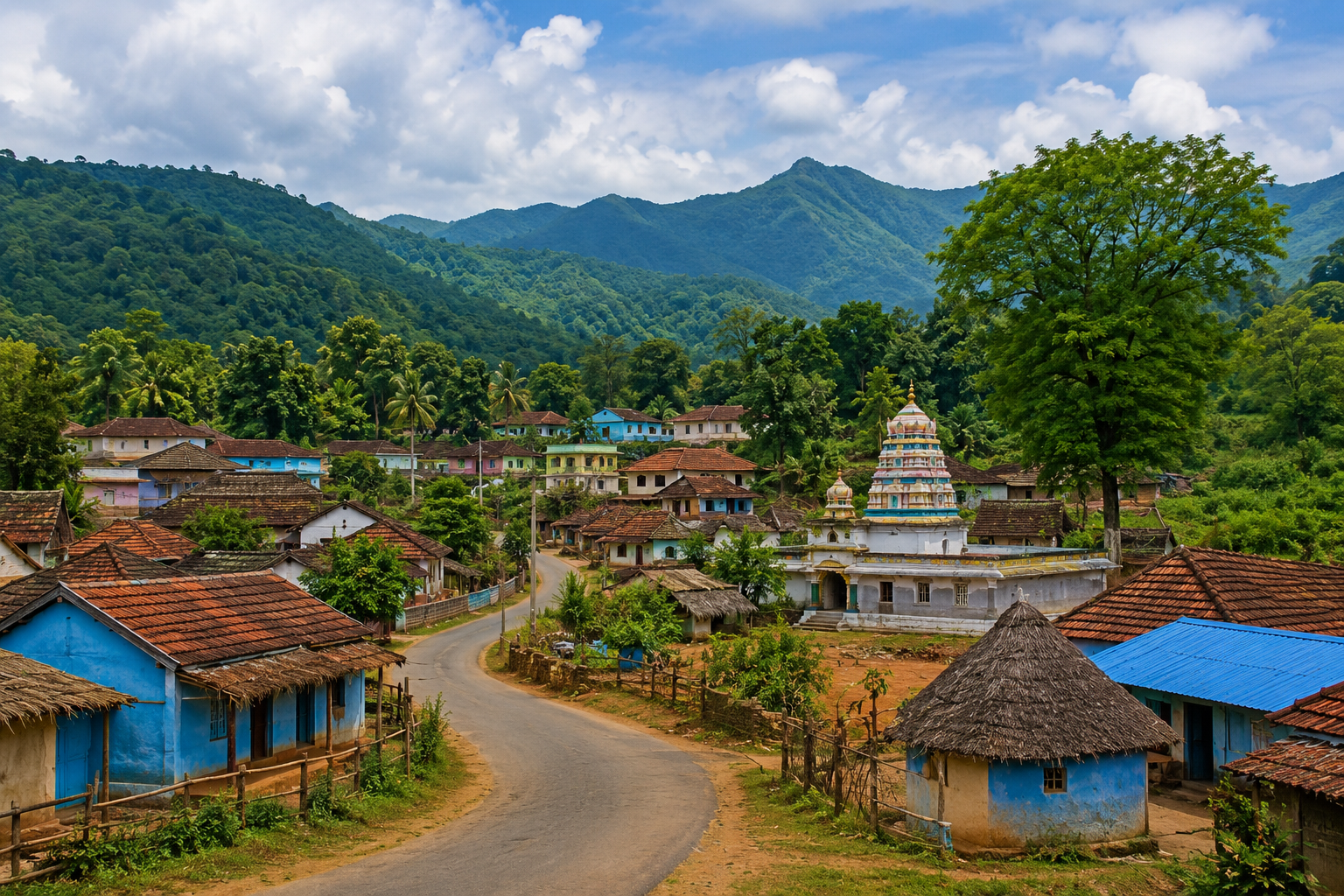
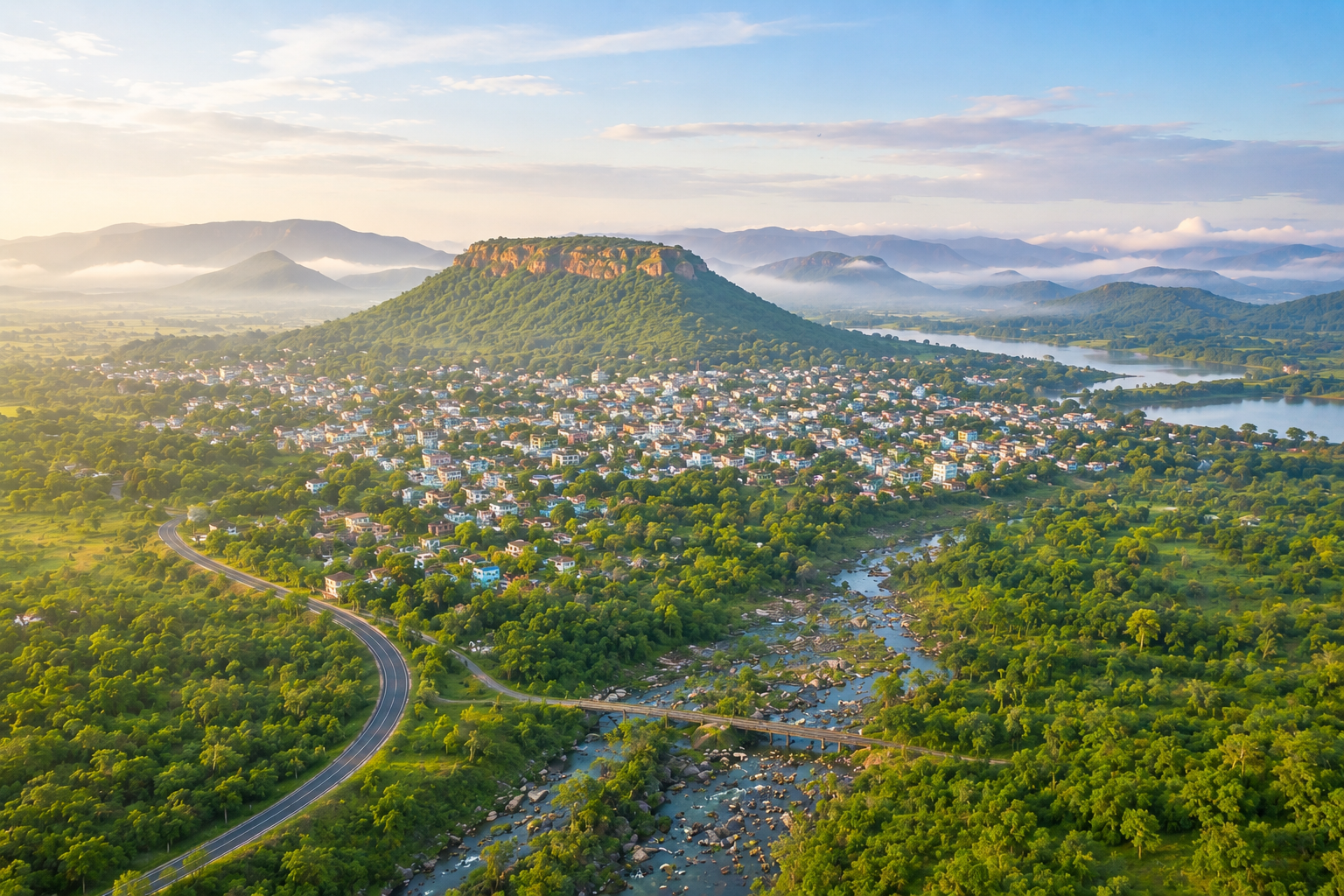
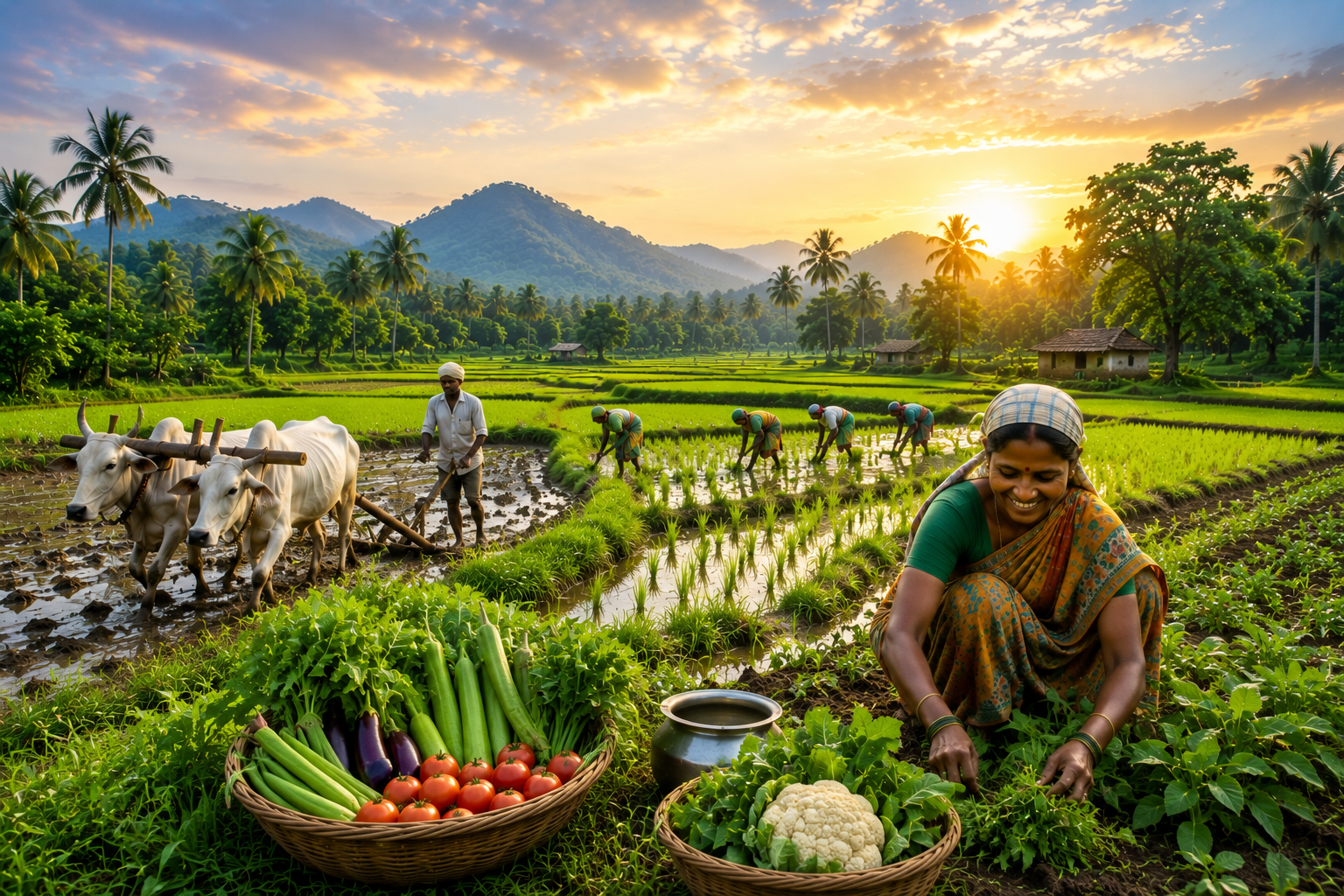
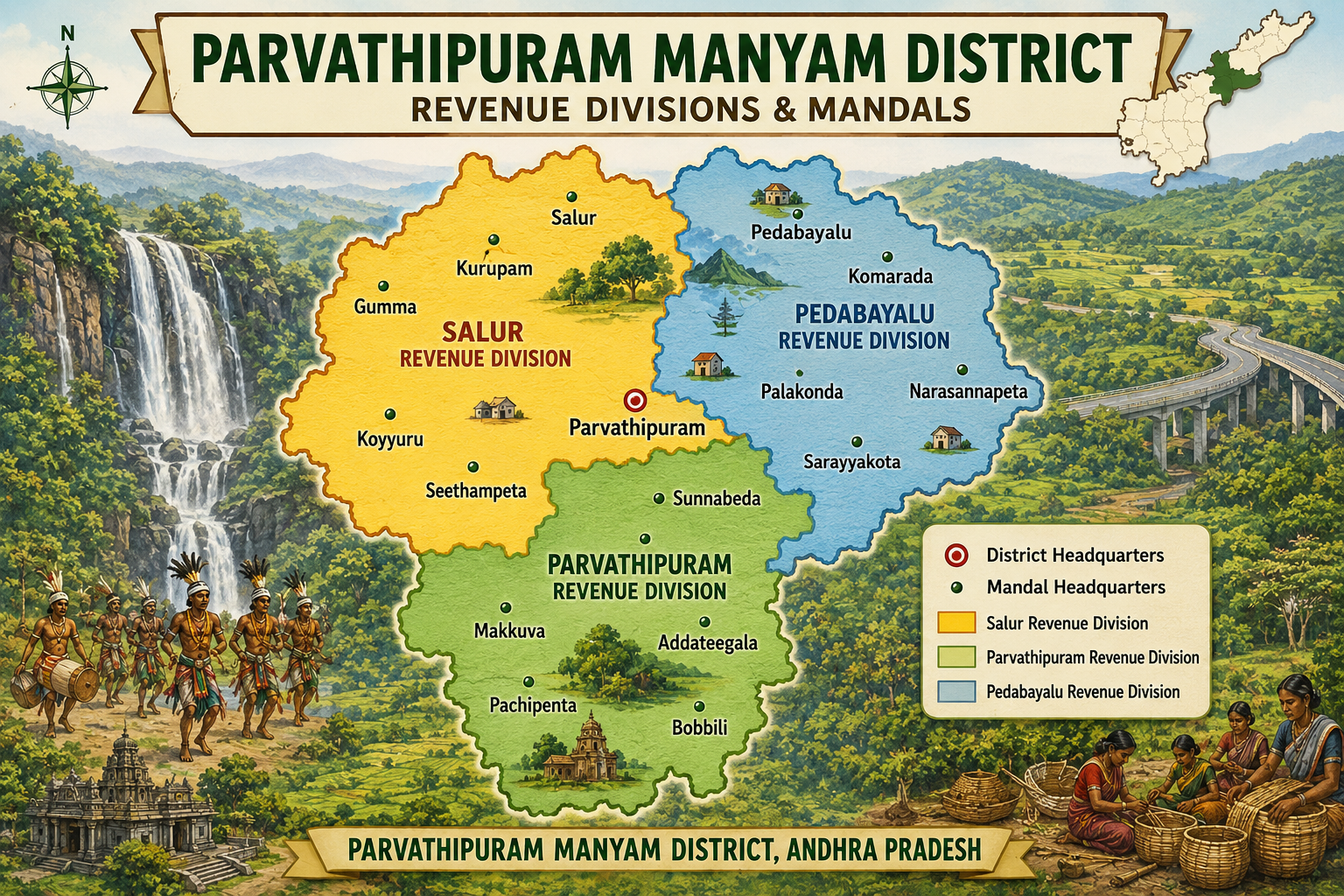
Parvathipuram Manyam District, located in the northeastern part of Andhra Pradesh, is a land of breathtaking natural beauty, rich tribal heritage, and vibrant cultural traditions. Formed in 2022, the district is surrounded by lush green forests, rolling hills, scenic valleys, and picturesque rivers, making it one of the most beautiful regions in the state.
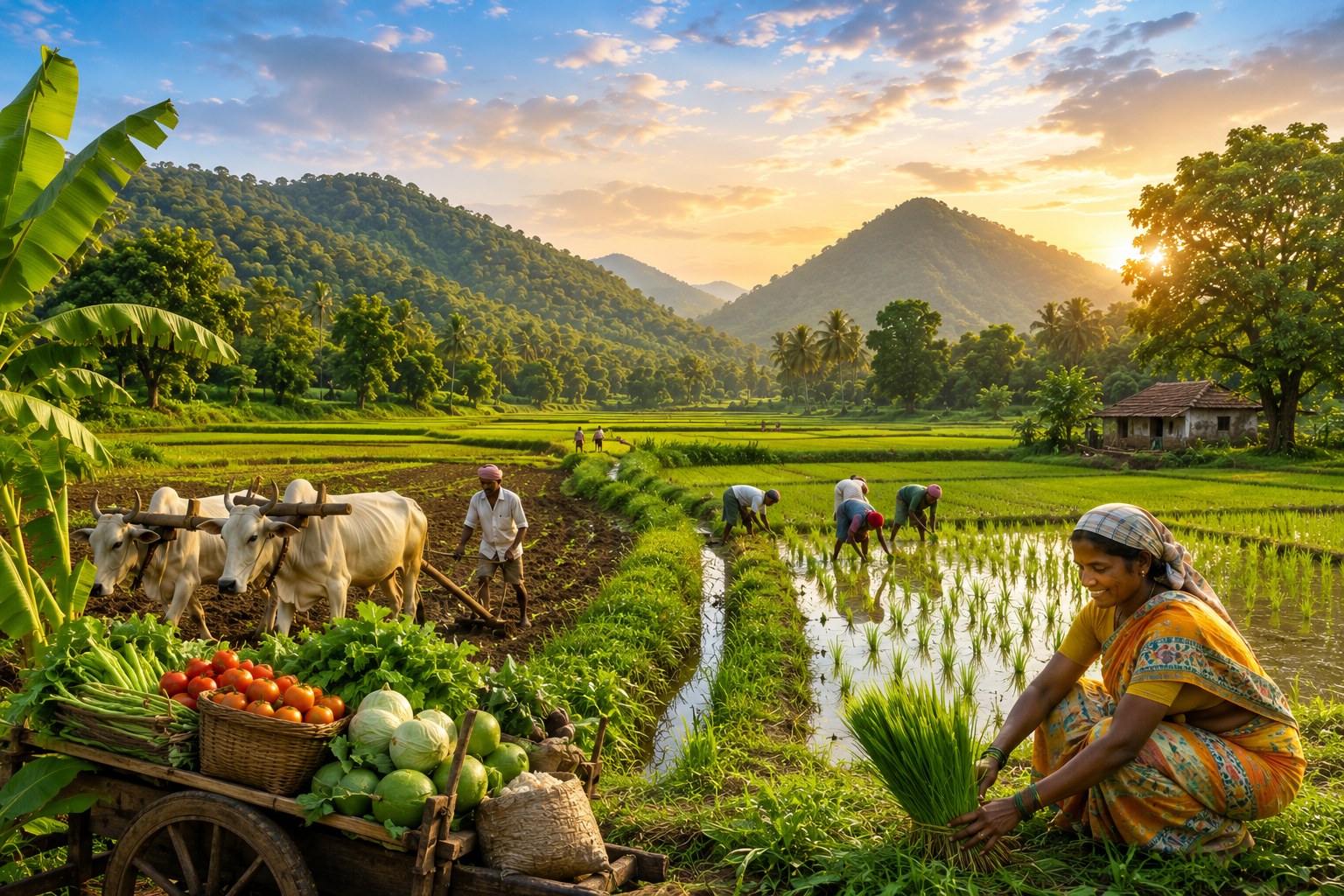
The district is home to several tribal communities who have preserved their unique customs, traditional arts, and colorful festivals for generations. Agriculture is the primary occupation, with crops such as paddy, millets, cashew, coffee, turmeric, and vegetables contributing significantly to the local economy.
Parvathipuram Manyam is also known for its waterfalls, eco-tourism destinations, ancient temples, and peaceful rural landscapes. Attractions like Makuva, Kurupam, Salur, and nearby forest regions showcase the district’s natural charm and biodiversity. The Eastern Ghats provide a stunning backdrop, making the area ideal for nature lovers and adventure enthusiasts.
With improving infrastructure, educational institutions, healthcare facilities, and government initiatives, the district continues to progress while preserving its cultural identity and environmental wealth. Parvathipuram Manyam stands as a perfect blend of tradition, nature, and development, offering visitors a memorable experience and residents a promising future.
Parvathipuram Manyam District – Location & Boundaries
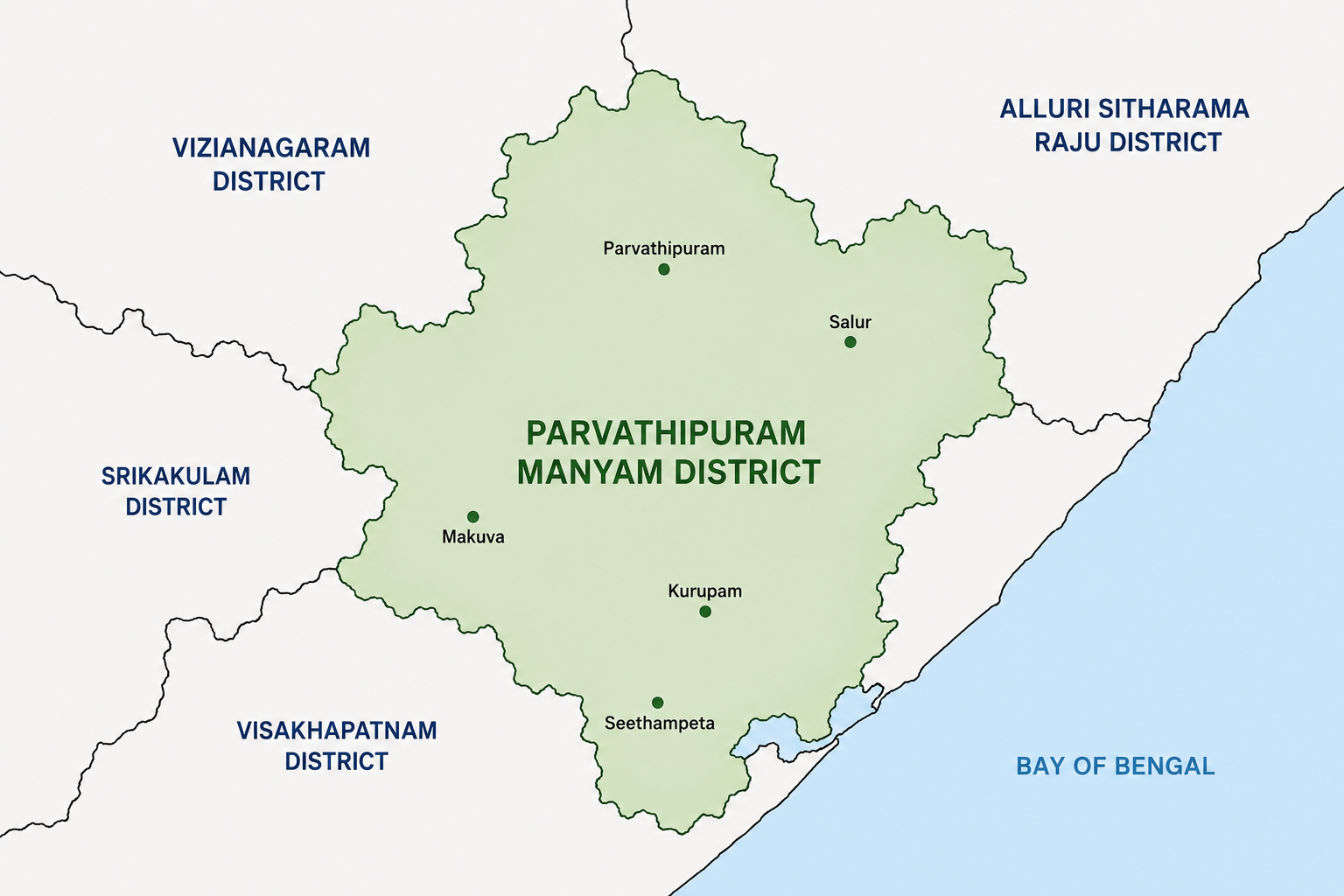
Parvathipuram Manyam District is located in the northeastern part of Andhra Pradesh and is nestled within the scenic Eastern Ghats. The district is bordered by:
Odisha State to the north and northwest
Alluri Sitarama Raju District to the east
Vizianagaram District to the south
Srikakulam District to the southeast
The district is characterized by rolling hills, dense forests, picturesque valleys, and fertile agricultural lands. Numerous rivers and streams flow through the region, supporting agriculture and enhancing its natural beauty. The landscape is rich in biodiversity, making Parvathipuram Manyam one of Andhra Pradesh’s most important ecological and tribal regions. Its pleasant climate, forest cover, and hilly terrain make it an ideal destination for eco-tourism and nature enthusiasts.
Parvathipuram manyam District
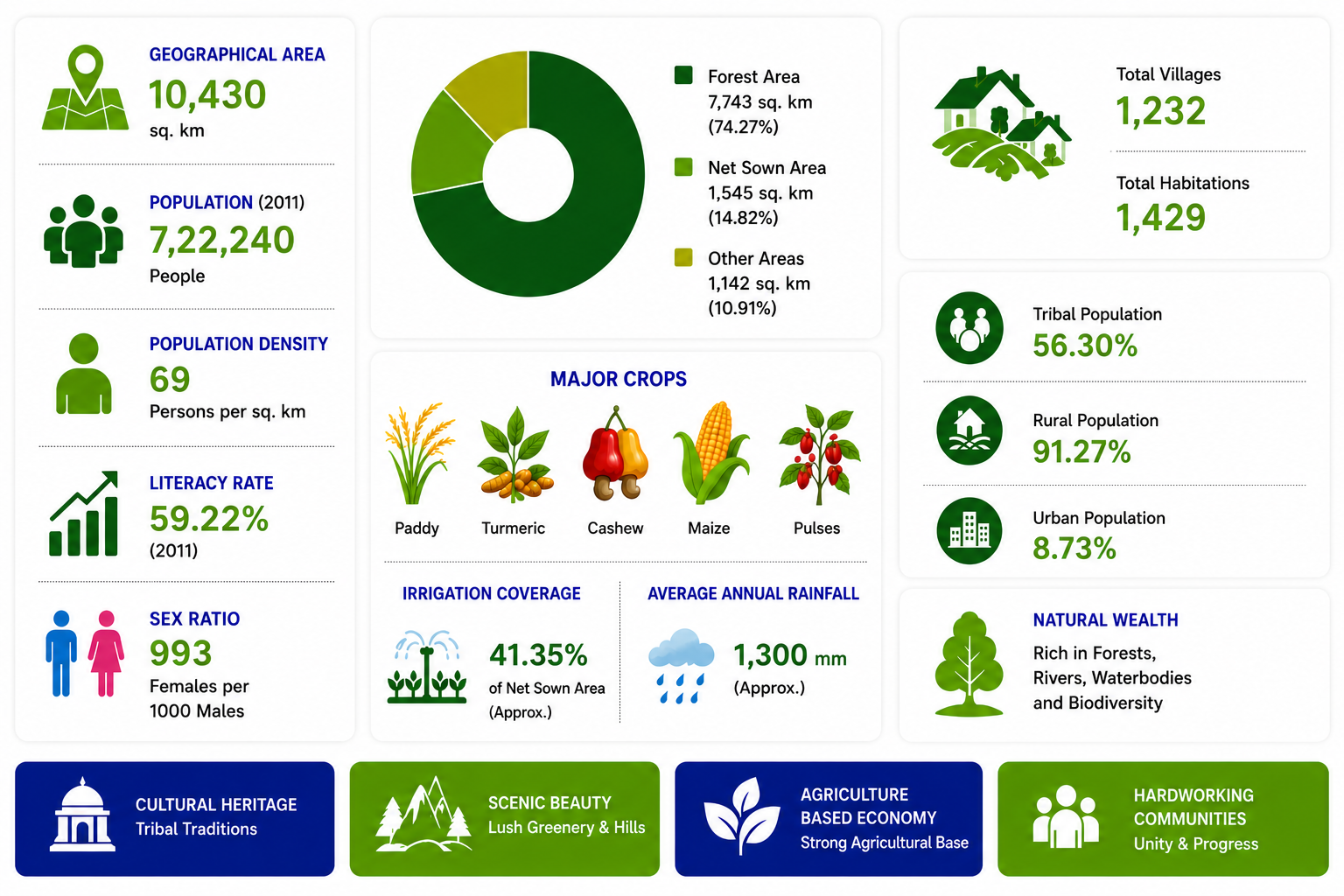
Key District Statistics
2
Revenue Divisions
15
Mandals
9.25L
Population
3,659
Area Sq.Km
32+
Govt Hospitals
1,450+
Govt Schools
85+
Govt Offices
45+
MeeSeva Centers
68%
Forest Cover
2,180
Villages
3
Assembly Seats
2022
Formed Year
History & Cultural Heritage
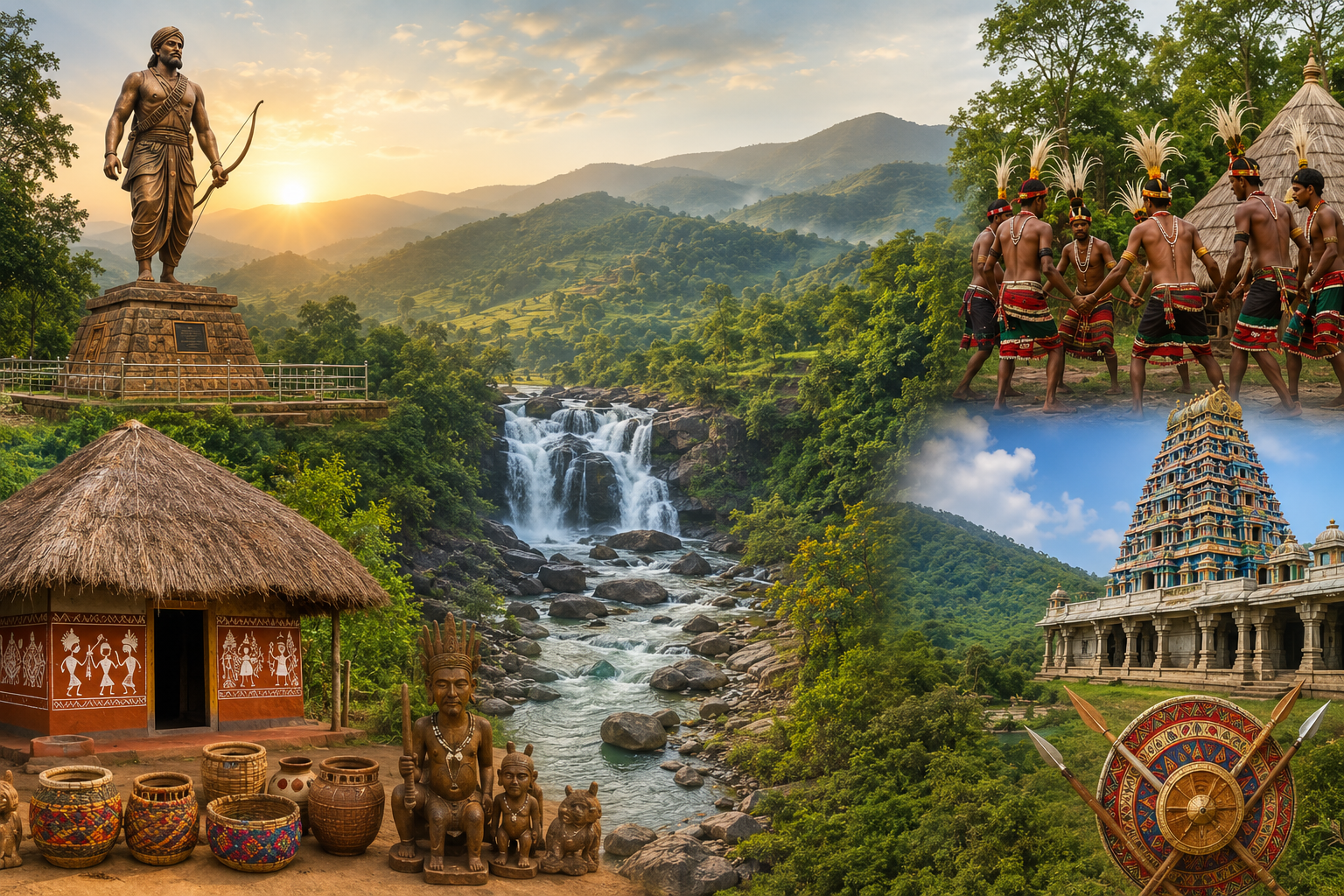
Parvathipuram Manyam District has a rich historical legacy deeply rooted in tribal traditions, ancient customs, and India’s freedom movement. Nestled in the Eastern Ghats, the region has long been home to indigenous tribal communities who have preserved their unique way of life, language, folklore, music, and traditional arts for generations.
The district is closely associated with the legacy of the legendary freedom fighter Alluri Sitarama Raju, who inspired tribal communities during the Rampa Rebellion against British rule. His courage and sacrifice continue to be a source of pride and inspiration throughout the Manyam region.
🌾 Agriculture – The Backbone of Parvathipuram manyam District
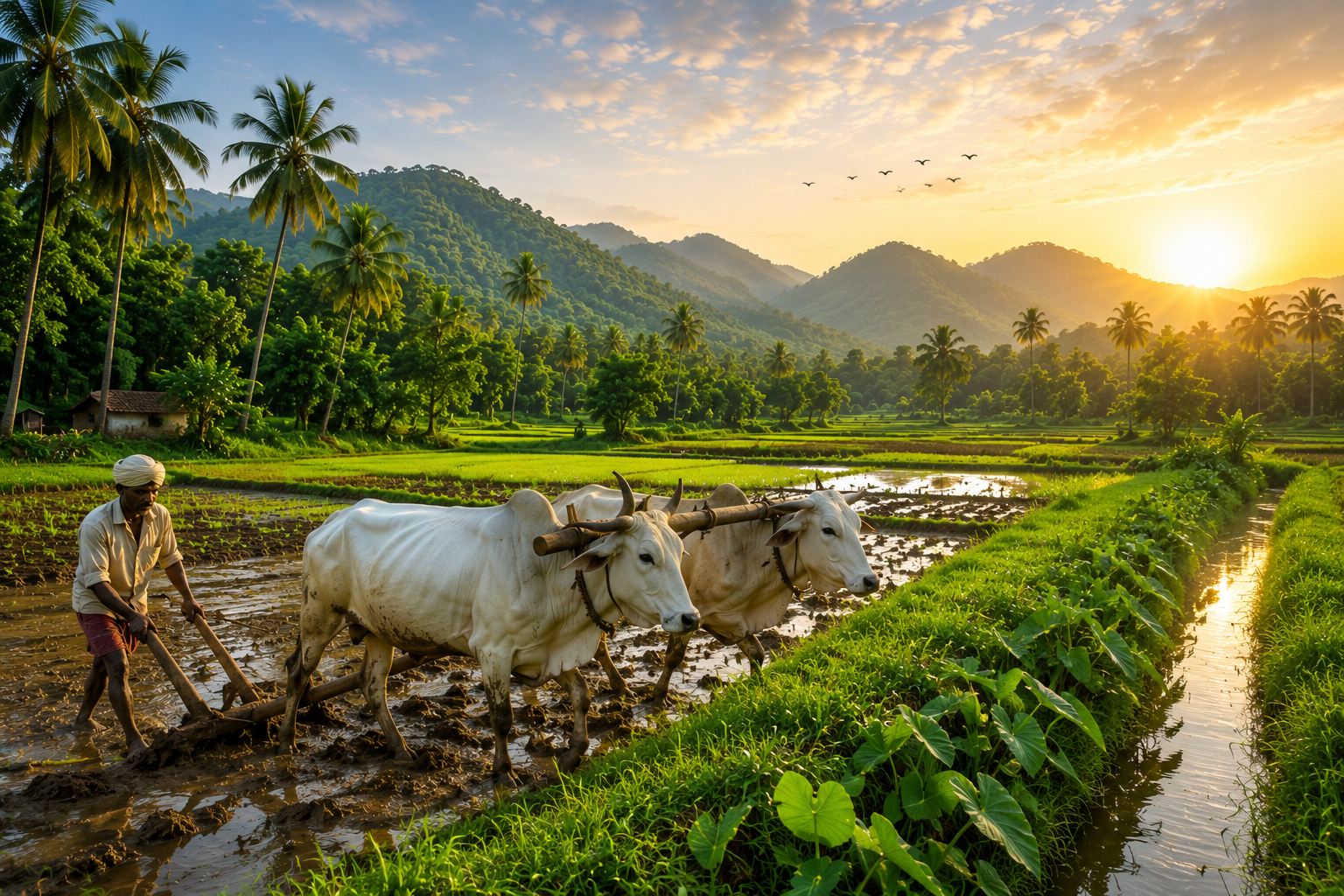
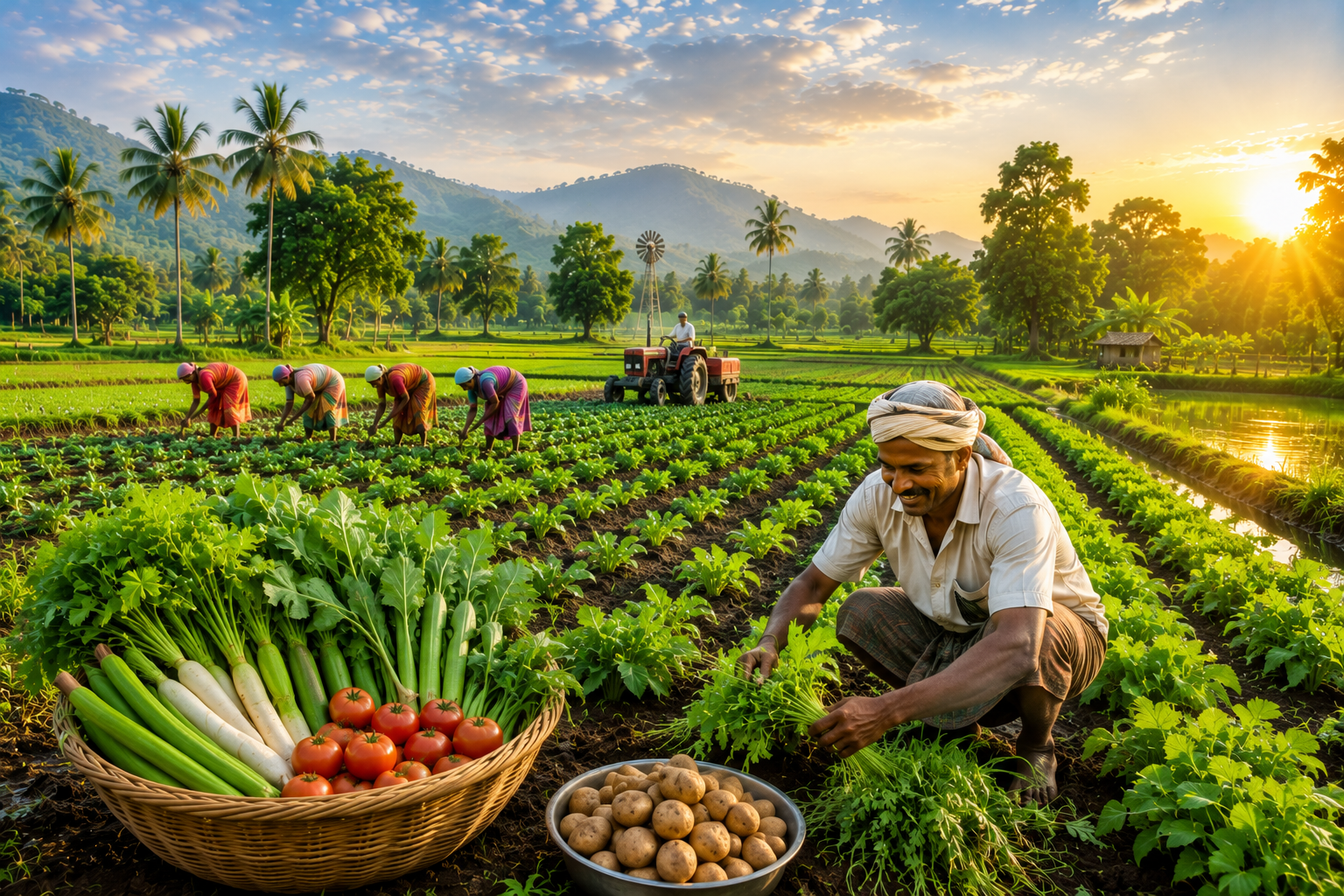
Agriculture is the backbone of Parvathipuram Manyam District, supporting the livelihoods of a large section of its population. Blessed with fertile soil, abundant rainfall, and a favorable climate, the district is well suited for cultivating a variety of crops throughout the year.
Paddy is the principal crop, while millets, maize, pulses, turmeric, cashew, coffee, and a wide range of fruits and vegetables are also grown across the region. The district’s rivers, streams, and irrigation facilities provide essential water resources that help farmers maintain healthy crop production.
Parvathipuram manyam District
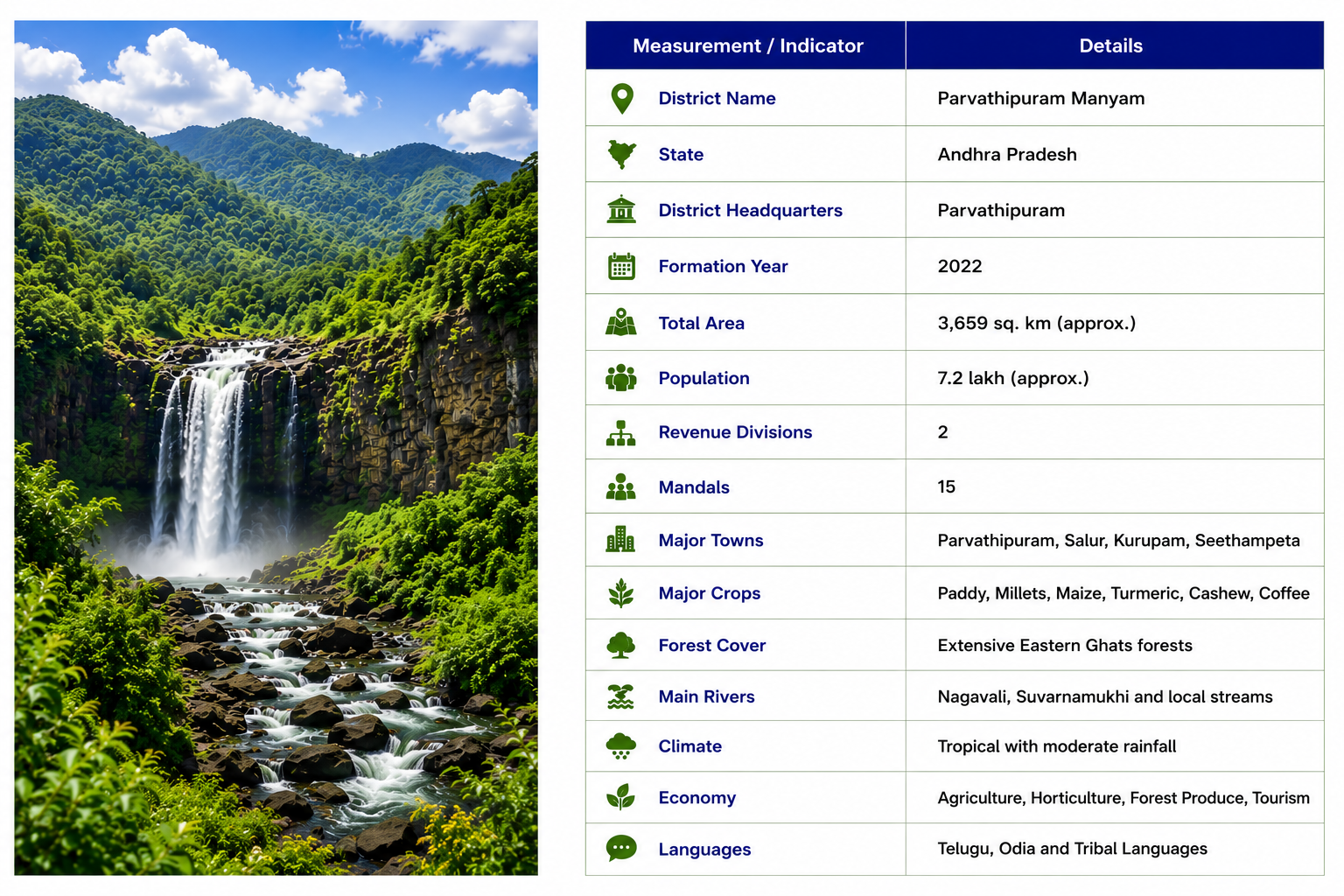
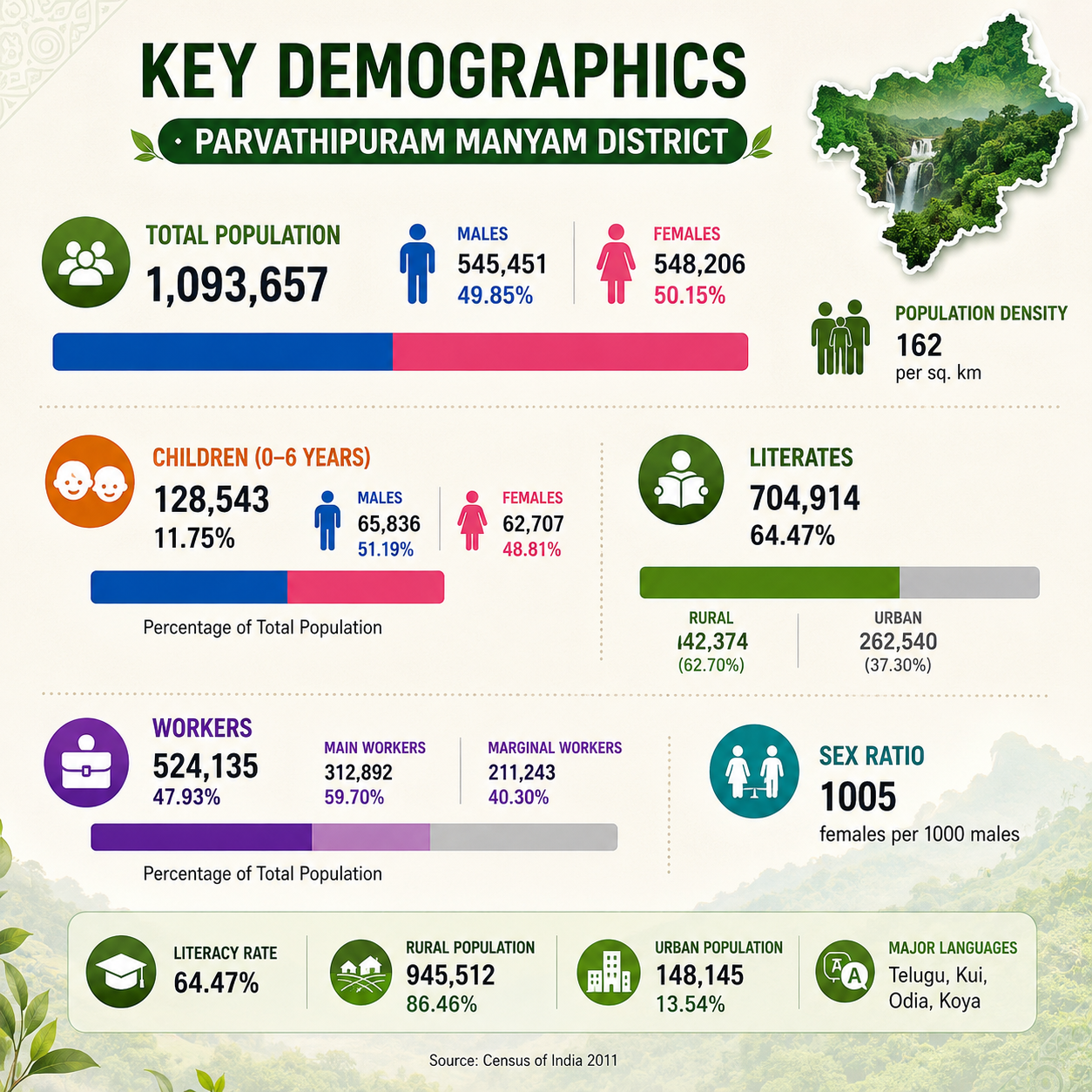
Key Statistics
Measurement of Parvathipuram manyam District
Culture & People of manyam
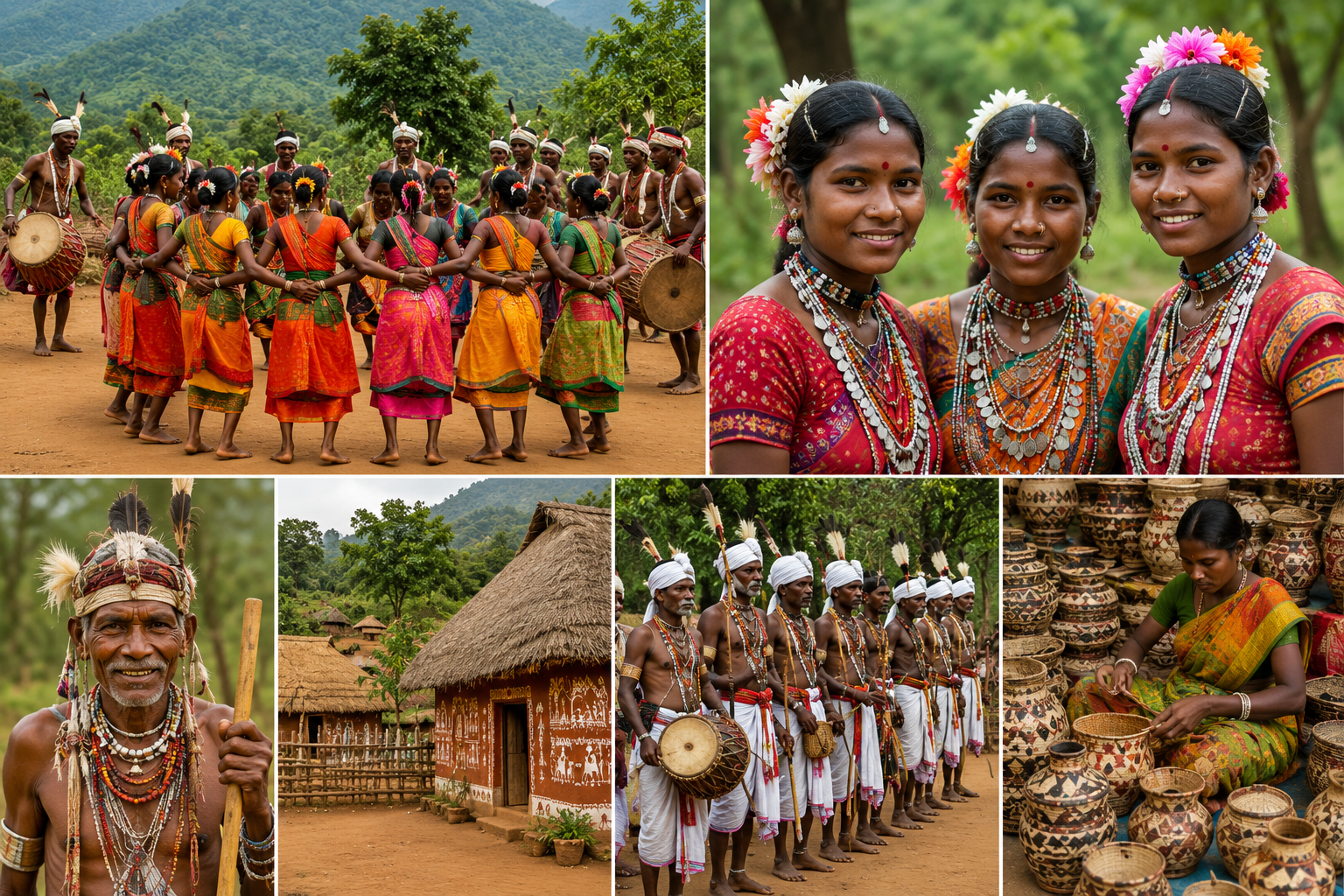
Parvathipuram Manyam District is renowned for its rich tribal heritage, vibrant traditions, and diverse cultural identity. The district is home to several indigenous tribal communities, including the Savara, Jatapu, Kondadora, Gadaba, and Konda Savara tribes, who have preserved their unique customs, languages, and traditional way of life for generations.
The people of the district celebrate numerous festivals with great enthusiasm, featuring colorful attire, traditional music, folk dances, and community gatherings. Tribal dance forms accompanied by drums and other indigenous musical instruments are an integral part of cultural celebrations and social events.
Handicrafts such as bamboo products, wood carvings, handwoven items, and traditional ornaments reflect the artistic skills of the local communities. Agriculture, forest-based livelihoods, and small-scale crafts continue to play a significant role in the daily lives of the people.
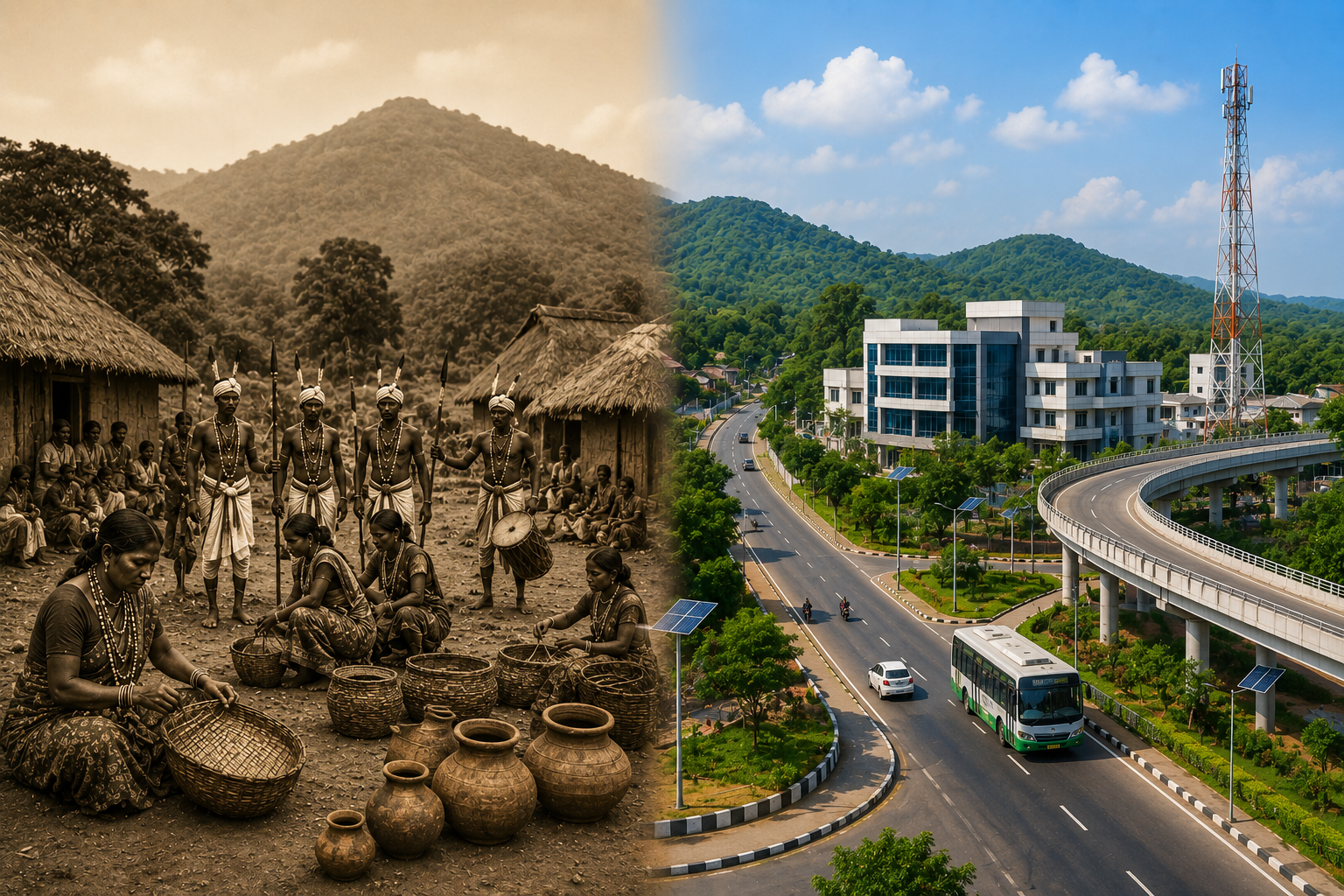
Parvathipuram Manyam Through the Years
Parvathipuram Manyam has witnessed remarkable growth while preserving its rich cultural heritage and natural beauty. In earlier times, the region was primarily known for its dense forests, tribal settlements, traditional farming practices, and limited infrastructure. The local communities relied on agriculture, forest resources, and handicrafts for their livelihoods, while access to education, healthcare, and transportation remained limited.
Over the years, the district has undergone significant transformation. Improved road networks, better educational institutions, modern healthcare facilities, digital connectivity, and government welfare initiatives have enhanced the quality of life for its residents. Agriculture has adopted improved farming techniques, tourism has gained momentum, and public services have become more accessible across the district.